















Introduction
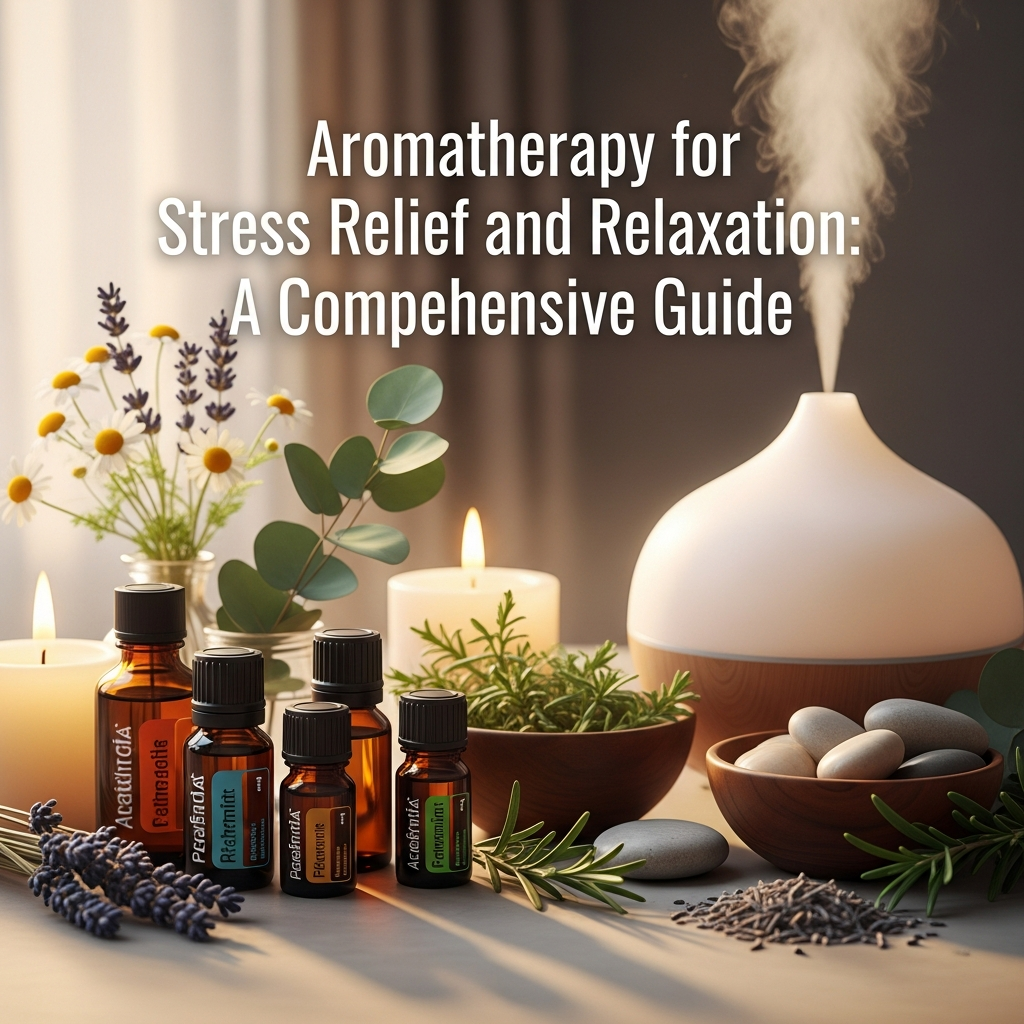
This Aromatherapy for Stress Relief is more than a nice smell.
It is a simple way to help your mind and body feel calm.
It can use natural plant oils.
These oils are called essential oils.
People use them to sleep better, rest, feel less stress, and think clearly.
Modern life is busy.
Individuals can work long hours.
Many people sit too much.
Some people can look at screens all day.
Sleep is poor.
Stress is high.
The mind does not get enough rest.
This body can stay tense.
The heart can beat fast.
Breath will become short.
This condition will happen to many people.
That is why many folks now look for gentle and natural support.
They want something simple.
These people want something safe when used the right way.
They want something that fits real life.
This is where Aromatherapy for Stress Relief can help.
I say this from real experience.
Myself first used lavender oil in a very stressful time.
My work pressure was high.
I had trouble sleeping.
My shoulders felt tight every day.
I felt exhausted, but my mind would not slow down.
At first, I thought aromatherapy was only a beauty trend.
But I was wrong.
I tried one drop of lavender oil in a diffuser before bed.
The room felt softer.
My breathing slowed down.
This happened when my mind stopped racing so much.
It was not magic.
The procedure was not a cure.
But it was helped.
And that was enough to make me learn more.
Since then, I have tested many oils, many routines, and many methods.
I have seen what will work in real life.
But I have also seen what does not work.
Aromatherapy is useful.
But its effectiveness is only when individuals can use it with care, simple habits, and realistic hope.
In this guide, I will explain everything very simply.
You will learn what aromatherapy is.
When will you learn how it can work?
You will learn the best oils for stress and relaxation.
When you get home, you will also get home remedies, personal tips, expert views, and real examples.
I will share missing angles too.
For example, why smell memory matters.
Routines can matter more than expensive products.
How less is always better.
And why Aromatherapy for Stress Relief can work best when it supports sleep,
emotional safety, rest, and breathing.
This guide is written for real individuals.
Not for robots.
And not just for search engines.
It is made to help you.
This tool is made to answer your real questions.
It is made with people first in mind.
Let us begin.
What Is Aromatherapy?
Aromatherapy is the use of natural plant oils for well-being.
These oils come from leaves, flowers, peel, roots, bark, seeds, and herbs.
They are strong.
These oils can carry the smell and plant compounds in a concentrated form.
People use aromatherapy in different ways:
In a
- Steam
- Diffuser
- Massage oil
- Bath
- Room sprays
- In personal inhalers
- On a tissue
The goal is simple.
You breathe in the scent.
Your body and mind respond.
Occasionally the scent helps you feel calm.
The aroma can help you feel awake.
Occasionally it can help you feel grounded.
Aromatherapy for Stress Relief is one of the most common reasons individuals can try essential oils.
They want less tension.
These can create a calmer mood.
They want better sleep.
These people may want a small everyday ritual that feels satisfying.
Such a change can matter because stress is now an everyday problem for millions of individuals.
Many reports from health groups can show that poor sleep, stress, and anxiety-like symptoms can affect a large part of the adult population.
In many countries, around 30% to 40% of adults report high stress at times.
Sleep trouble is also very common.
Some surveys can show that about 1 in 3 adults do not get enough sleep on a regular basis.
That is a significant number.
That means natural relaxation tools are not a luxury.
They are a real need for many homes.
How Aromatherapy Works
The smell of essential oils goes up your nose.
Then it will reach the part of the brain linked to emotion, memory, and mood.
This is why one scent can change how you feel in seconds.
consider this phenomenon.
A smell from childhood can instantly bring back a memory.
Smell from a hospital can make some people feel uneasy.
The aroma of home-cooked meals can evoke a sense of safety in people.
Scent is powerful because its affect is deeply linked to the brain.
This is one reason Aromatherapy for Stress Relief can feel so personal.
One person can love lavender.
Another person can feel calmer with bergamot.
The other person will feel safe with sandalwood.
There is science behind scent and mood.
But there is also personal experience.
Both can matter.
In my opinion, the human element perspective is a missing angle in many blog posts.
They can talk about oils.
But they can forget the person.
They can forget that emotional memory changes how a scent feels.
A good aroma routine is not only about the “best oil.”
It is about the best oil for you.
Why Stress Relief Matters So Much
Stress is not always bad.
Short stress can help you act fast.
It can help you focus when you are in danger.
But long stress is different.
Long stress can hurt the body and mind.
Long-term stress may lead to:
- Tight muscles
- Poor sleep
- Low energy
- Poor focus
- Low patience
- Burnout
- Headaches
- Emotional eating
- Fast heart rate
- Mood swings
When the body can stay stressed for too long, it does not rest well.
It does not recover well.
This is why individuals now want tools that help them slow down in small ways.
Not every person can require a huge life change first.
Sometimes they require one calming habit today.
That is where Aromatherapy for Stress Relief becomes useful.
It is simple to start.
This practice can fit into a morning, evening, or workday routine.
It can support a peaceful environment.
My Real Experience With Aromatherapy
I want to be honest.
Aromatherapy did not solve every problem in my life.
It did not remove deadlines.
This process did not fix stress at the root all by itself.
But it helped me create calm moments.
And these calm moments mattered a lot.
My first strong result came with chamomile and lavender.
I have used them at night.
Myself mixed one drop of each in a diffuser with water.
I have kept the lights low.
Myself stayed away from my phone for 20 minutes.
Then I sat quietly and breathed slowly.
After one week, I have noticed two changes:
- My body relaxed faster at bedtime
- Mind felt less noisy
After three weeks, I had a real bedtime ritual.
That was the turning point.
The oils have helped.
But the bigger change was the routine.
This experience is an expert lesson I now strongly believe:
Aromatherapy will work best when it is part of a habit.
That is my personal view.
This oil is the signal.
The ritual is the support.
This consistency is the real power.
Best Essential Oils for Stress Relief and Relaxation
Here are the most useful oils for many people.
1. Lavender Oil
Lavender is the best-known oil for calm.
It is gentle.
The aroma is floral.
It is very popular for improving sleep and reducing stress.
Why people like it:
- Helps the body feel relaxed
- Common in bedtime routines
- Smells soft and clean
- Easy for beginners
My opinion:
Lavender is a good first choice.
It is not exciting.
But this is dependable.
That can matter.
2. Bergamot Oil
Bergamot can smell fresh and light.
It comes from the citrus peel.
The scent can feel bright, yet also peaceful.
Why it helps:
- Makes you feel better
- Not hefty, but fresh
- Good for afternoons when you’re stressed
- Good for tension that comes from emotions
For example:
During breaks from working from home, a friend of mine utilized bergamot.
She stated it helped her stop overthinking.
My friend put one drop on a tissue and breathed in softly for a minute.
3. Chamomile Oil
Chamomile is gentle and soothing.
Many individuals know chamomile tea.
The oil will carry a similar calm feeling.
Best for:
- Evening stress
- Emotional overwhelm
- Soft bedtime blends
4. Sandalwood Oil
Sandalwood can smell warm and deep.
It is grounding.
The oil is useful for quiet thinking and meditation.
Best for:
- Racing thoughts
- Inner restlessness
- Quiet evening routines
5. Ylang Ylang Oil
This oil is sweet and floral.
Some individuals can love it.
Other people find it too strong.
That is normal.
Best for:
- Emotional tension
- Feeling overworked
- Creating a peaceful room mood
6. Frankincense Oil
Frankincense will feel rich and calm.
It is always used during meditation and reflection.
Best for:
- Deep breathing
- Quiet time
- Feeling centered
7. Sweet Orange Oil
This oil can smell happy and clean.
It is helpful when stress can feel heavy or dull.
Best for:
- Low mood
- Afternoon reset
- Family spaces
Aromatherapy for Stress Relief does not need ten oils at once.
Start with one or two.
That is enough for most individuals.
Simple Ways to Use Aromatherapy at Home
You do not need a luxury spa.
Do not require expensive tools.
You can keep it simple.
1. Use a diffuser.
Add water.
Then add 2 to 4 drops of essential oil.
Run it for 15 to 30 minutes.
Good times to use it:
Before sleep during
- Yoga
- Work breaks
- Reading
2. Use a Tissue
Place 1 drop on a tissue.
Hold it near your nose.
Breathe slowly.
This is one of the easiest methods.
It is also low-cost.
3. Use a Steam Bowl
Add hot water to a bowl.
And also add a drop of oil.
Keep a safe distance.
Breathe gently.
Do not get too close.
The steam can be strong.
4. Make a Massage Blend
Mix essential oil with a carrier oil.
Good carrier oils are
- Sweet almond oil
- Jojoba oil
- Coconut oil
A simple mix is 1 to 2 drops of essential oil in 1 teaspoon of carrier oil for a small area.
Use it on the shoulders, neck, or hands.
Do not apply essential oils directly to your skin unless you know that the specific oil is safe for both your skin and its intended use.
5. Add to a Bath
Mix a few drops first into a spoon of carrier oil or unscented bath base.
Then add to bath water.
Do not drop oils straight into the water alone.
They do not mix well that way.
6. Pillow or Room Spray
Mix water with a proper spray base.
Then add a few drops of lavender or chamomile.
Spray lightly in the room.
Do not spray directly into your eyes or on pets.
These simple methods make Aromatherapy for Stress Relief easy for daily life.
Home Remedies That Work Well With Aromatherapy
Aromatherapy is stronger when combined with basic self-care.
This area is where many people make a mistake.
They buy oil.
But they can ignore sleep, water, food, and breathing.
Here are helpful home remedies:
1. Warm Foot Soak
Use warm water in a bowl or tub.
Add a little Epsom salt.
Also add a safe diluted calming oil blend.
Soak feet for 10 to 15 minutes.
Why it helps:
- Warmth can relax the body
- It can feel grounding
- This can slow you down
2. Night Tea Ritual
Drink a caffeine-free herbal tea.
Good options are:
- Tulsi tea
- Lemon balm tea
- Chamomile tea
Then use one calming oil in a diffuser.
This double ritual works well.
3. Gentle Shoulder Massage
Mix carrier oil with 1 or 2 drops of lavender or frankincense.
Massage the shoulders slowly.
This is beneficial after screen time.
4. Deep Breathing With Scent
Put 1 drop of oil on a tissue.
Breathe in for 4 seconds.
Pause.
Breathe out for 6 seconds.
Repeat 5 times.
This is one of my favorite methods.
It is fast.
This technique is simple.
It can help during busy days.
5. Low-Light Evening Routine
Dim the lights.
Put away the phone.
Use lavender in a diffuser.
Sit quietly for 10 minutes.
This may sound too simple.
But simple things always work best.
Real Example: A Busy Working Mother
Let us take a real-life example-style case.
I will call her Neha.
Neha is 38.
She works full-time.
Neha has two children.
She cooks.
Neha can manage school routines.
She has little time for herself.
By evening, she can feel exhausted and mentally overloaded.
She wanted a calm routine.
But she had no time for long wellness plans.
So she started with this:
- One diffuser in the bedroom
- Lavender oil at night
- One cup of chamomile tea
- Ten minutes of no phone before bed
- One slow breathing exercise
After two weeks, she said:
She felt calmer at bedtime
Her room felt peaceful
Evenings she felt less chaotic
She looked forward to the routine
This is a good example of Aromatherapy for Stress Relief in real life.
It was not big.
The result was not perfect.
But it was doable.
That is why it worked.
Real Example: Office Stress and Mental Fatigue
Another example is a man I know from a tech job.
He had long screen hours.
His head felt heavy by 4 p.m.
He did not require sleep support first.
This man required a mental reset.
He tried this small plan:
- Bergamot on a tissue
- One minute of slow breathing
- Five minutes away from the screen
- Water and light stretching
He said the scent helped him shift his focus.
That is a useful phrase.
It is always what stress relief really means.
Not escaping life.
Just changing gears.
Expert Opinion: What Actually Makes Aromatherapy Work
Here is my expert opinion based on real use and careful study.
The biggest benefits of aromatherapy do not come from the oil alone.
They will come together from four things:
- The right scent for the person
- Right method
- The right timing
- Right habit
This means:
- Lavender at night may help more than in a noisy morning
- Bergamot may help more in the afternoon
- Massage may work better than diffusion for body tension
- A scent you love will work better than a “top-rated” scent you dislike
This is why personal testing matters.
And this is why people-first advice can matter more than generic advice.
Aromatherapy for Stress Relief should not be sold as a miracle.
It should be taught as a support tool.
That can make it more honest.
And more useful.
Safety Tips You Must Know
Essential oils are natural.
But “natural” does not always mean “harmless.”
They are concentrated.
Use them carefully.
Important safety rules:
- Do not drink essential oils unless guided by a qualified expert
- You do not apply most oils directly to skin without dilution
- Keep away from eyes
- You can keep away from the oil unless the oil and use are child-safe
- Be careful around pets
- Test diluted oil on a small skin area first
- If pregnant, breastfeeding, or dealing with a health condition, ask a trained health professional first
Some citrus oils can also increase sun sensitivity on skin.
That matters.
Trust can grow when advice is honest.
So I will say this clearly.
Aromatherapy for Stress Relief is helpful.
But safe use can always come first.
Common Mistakes People Make
Many individuals can quit too early or use aromatherapy in a poor way.
Here are common mistakes.
1. Using Too Much Oil
More is not better.
A strong scent can cause a headache or discomfort.
Start small.
2. Choosing Cheap, Poor-Quality Oils
Quality can matter.
Very cheap oils may be weak, fake, or mixed.
Search for:
- Label that is easy to read
- Name in botany
- Information about the country or source
- Note on pure oil
- A merchant you can trust
3. Expecting Instant Life Change
Aromatherapy will help.
But this is not a magic fix.
It will support your routine.
4. Ignoring Personal Preference
Do not force yourself to use a scent you dislike.
That can increase stress.
5. Forgetting the Bigger Picture
If stress is coming from lack of sleep, no breaks, poor food, and nonstop work, oil alone will not be enough.
Use scent as one part of care.
The Missing Angles Most Articles Ignore
I want to share a few missing angles.
1. Scent Memory Is Personal
A scent may calm one person and upset another.
Memory can matter.
2. The Room Matters
A messy, noisy room can change the experience.
The calm room will help the scent work better.
3. Ritual Beats Random Use
Every day, use at the same time works better than random use once in a while.
4. The Best Scent Changes by Need
Night stress is not the same as work stress.
Choose oils by moment.
5. Emotional Safety Matters
Some individuals are stressed because they never feel safe enough to rest.
For them, scent works best with quiet, warmth, and slow breathing.
These angles matter because real stress is not one-size-fits-all.
And Aromatherapy for Stress Relief should meet real human life.
A Simple 7-Day Starter Plan
If you want to begin, try this.
Day 1
Use lavender in a diffuser for 15 minutes at night.
Day 2
Use bergamot on a tissue in the afternoon.
Day 3
Try deep breathing with one calming scent.
Day 4
Make a diluted shoulder massage blend.
Day 5
Use a warm foot soak and one calming scent.
Day 6
Create a low-light, no-phone evening for 20 minutes.
Day 7
Notice what felt best.
Keep that one.
This is how people build a real habit.
Small.
Easy.
Repeatable.
Simple Statistics That Matter
Data helps us understand why relaxation tools matter.
- Around 30% to 40% of adults report high stress at different times
- About 1 in 3 adults report poor sleep or not enough sleep often
- Work stress is one of the top causes of burnout in many surveys
- Women often report high daily stress levels due to work and home load combined
- Students also report rising pressure, especially during exam seasons
These numbers can show something essential.
Stress is not rare.
It is common.
That is why simple, low-cost tools like Aromatherapy for Stress Relief are worth knowing about.
Best Times to Use Aromatherapy
You can use aromatherapy at many times.
Morning
Use light oils like sweet orange or bergamot.
This helps start the day gently.
Afternoon
Use bergamot or frankincense.
This can help reset the mind.
Evening
Use lavender, chamomile, or sandalwood.
These are good for rest.
During Stress
Use one drop on a tissue.
Then breathe slowly.
Before Bed
Use a diffuser for 15 to 20 minutes.
Then turn it off and sleep.
Aromatherapy and Sleep
Stress and sleep are deeply linked.
Poor sleep can increase stress.
Stress can reduce sleep.
This is why many individuals use Aromatherapy for Stress Relief mainly at night.
My honest view is this:
Sleep support is one of the best ways aromatherapy will help.
When your evening feels calmer, your whole next day improves.
Try this bedtime routine:
- Lower the lights
- Stop phone use 20 minutes before bed
- Diffuse lavender or chamomile
- Drink warm herbal tea
- Breathe slowly for 2 minutes
This is simple.
But it works for many people.
Aromatherapy for Emotional Overload
Sometimes stress is not only physical.
Sometimes it is emotional.
You may feel:
- Heavy
- Irritated
- Drained
- Tearful
- Mentally full
In those moments, sweet orange, bergamot, ylang ylang, and frankincense may help.
Not because they will solve the problem.
But because they can create a softer emotional space.
This is another important people-first point.
Not all stress can require “energy.”
Some stress can need softness.
People do not need motivation.
They can require gentleness.
Can Aromatherapy Help Everyone?
No single tool helps everyone in the same way.
That is the honest answer.
Some people love essential oils.
Other people are sensitive to scent.
Some people get exceptional results.
Other people prefer scentless calm tools like breathing and stretching.
That is okay.
Wellness should never be forced.
But for many individuals, Aromatherapy for Stress Relief is a safe and comforting support when used correctly.
It can help create pauses.
Such practices can help shape routines.
It can help the body learn calm.
The Long-Term Benefits of a Calm Scent Ritual
People may observe the following when they stay consistent:
- Better ways to sleep
- More awareness of your body
- Resetting your mind faster
- Less stress during night
- Better ways to take care of yourself
- A more tranquil mood at home
This is what can really matter in the long run.
Not one dramatic moment.
But many small calm moments added together.
That is how healing routines work.
Quietly.
Slowly.
Deeply.
Final thoughts
Aromatherapy for Stress Relief is simple.
But it can be powerful.
It helps create calm.
The technique can help slow the mind.
It will help relax the body.
The practice will help build better daily habits.
It is not magic.
This method is not a cure for every problem.
But it is a gentle and useful tool.
And that can matter.
The real power of Aromatherapy for Stress Relief is not only in the oil.
It is in the pause.
The real power is in the breath.
It is in the ritual.
This is in the moment when you choose to care for yourself.
That is what I have learned from real use.
This is what I trust.
Simple things help.
Small habits will work.
A calm room can help.
The kind routine will help.
A scent you love helps.
Start small.
Use one oil.
You use one method.
Keep it simple.
Notice how you feel.
Choose what will work for you.
Do not chase perfection.
Not to buy too much.
Do not make it hard.
Make it effortless.
You have to make it safe.
Make it personal.
If your days feel heavy, this may help.
Whether your nights feel restless, these tips may help.
If your mind feels full, this technique may help.
Even one calm minute has value.
Aromatherapy for Stress Relief is not about doing more.
It is about softening your day.
This is about making space to breathe.
It is about feeling a little more like yourself again.
That is a beautiful place to begin.
FAQ
1. What is Aromatherapy for Stress Relief?
It is the use of essential oils to help calm the mind and relax the body.
People use it for stress, rest, and better sleep.
2. Which oil is best for beginners?
Lavender is often the best first choice.
It is gentle.
The scent is calming.
It is simple to use.
3. How many times can I use aromatherapy in one day?
You can use it in small amounts one to three times a day, depending on the method and your comfort.
Use less, not more.
4. Can I put essential oils directly on my skin?
Usually no.
Most oils should be mixed with a carrier oil first.
This will help protect the skin.
5. How fast does Aromatherapy for Stress Relief work?
After a few minutes, some people feel better.
Others notice the benefit after using it as part of a daily routine for days or weeks.
6. Can aromatherapy help with sleep?
Yes.
Many individuals can use lavender, chamomile, or sandalwood before bed to help them relax and sleep better.
7. Is Aromatherapy for Stress Relief safe for everyone?
Not always.
Children, pregnant people, people with health conditions, and pet owners should be extra careful.
Safe use is critical.
Related Content:
- 8 Rapid Hair Growth Herbals You Should Try
- 15 Ayurvedic Remedies for High Blood Pressure
- Aromatherapy for Stress Relief and Relaxation: A Comprehensive Guide
- Natural Remedies for Boosting Immunity with Plants: A Comprehensive Guide
- How Nature Walks Can Improve Physical Health: A Comprehensive Guide
- 7 Healing Herbs for Boosting Energy Naturally: A Comprehensive Guide
- Benefits of Outdoor Activities for Mental Health: A Comprehensive Guide
- Best Superfoods Revealed: Truth Behind Nutrient Powerhouses
- Check our Blog and Category page (Nature’s & Healing)


